A personal wedding ceremony comes from a few meaningful choices made deliberately: words you recognize as your own, music you both care about, and a setting where guests can hear and feel included. Start with the promises and the practical requirements, then add one or two rituals that express your relationship.
Begin with a feeling, not a theme Ask each other what you want to remember when the ceremony ends. You might want quiet intimacy, the energy of a gathering, a connection to family, or a moment that acknowledges two cultures. Those answers are more useful than a collection of unrelated decorative ideas because they guide the pacing, seating, and choice of words.
Distinguish the legal ceremony from any symbolic elements early. Marriage requirements depend on jurisdiction and circumstances, and the officiant or relevant authority should confirm them. Personalization belongs around those requirements, not in place of them. If the legal marriage happens separately, describe the wedding celebration accurately in guest communication.
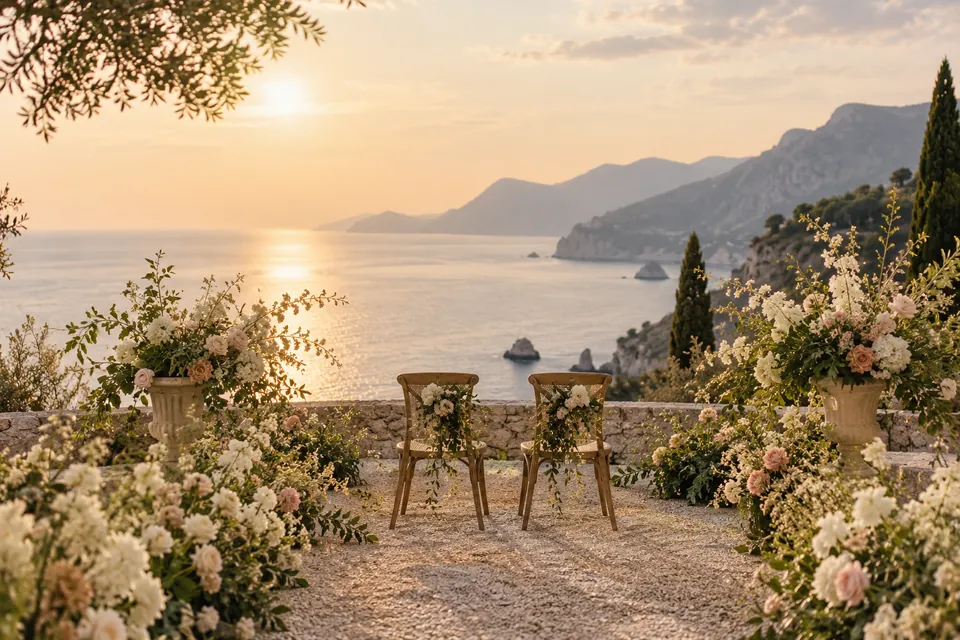
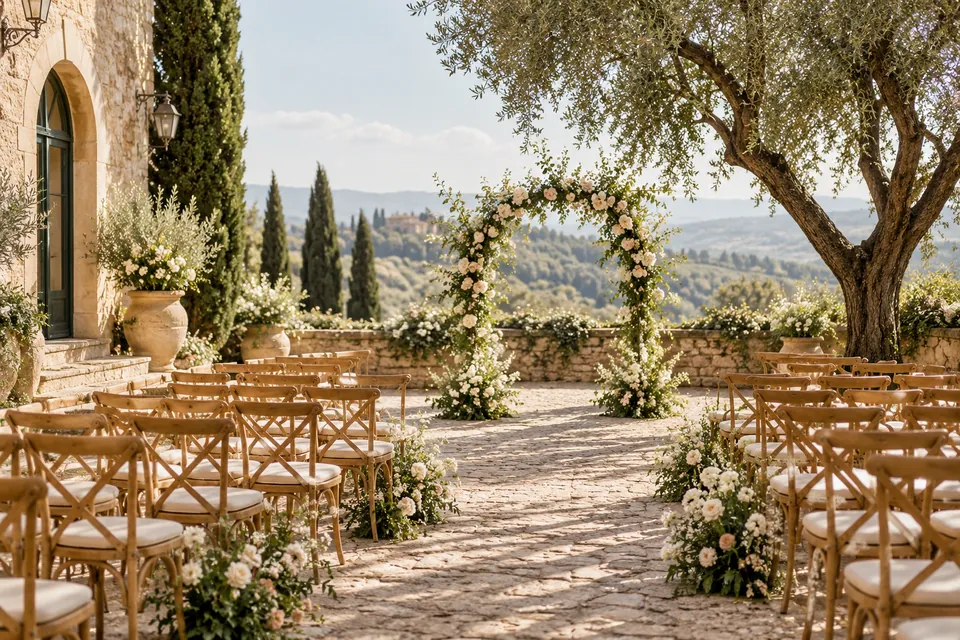
Three ceremony formats to consider ### A garden gathering with a close audience Arrange shallow rows or a gentle semicircle when the venue permits it. Guests can feel closer without surrounding the couple on all sides. Preserve a clear route for the procession, photography, and anyone using a mobility aid. Ask the officiant to test sound from the last seat, even for a small group.
A garden ceremony benefits from restraint. One floral focal point, consistent chairs, and a discreet water station may do more for the experience than several installations. Decide the rain alternative before purchasing flowers sized for an outdoor arch. Wind can also affect candles, loose programs, and microphone clarity.
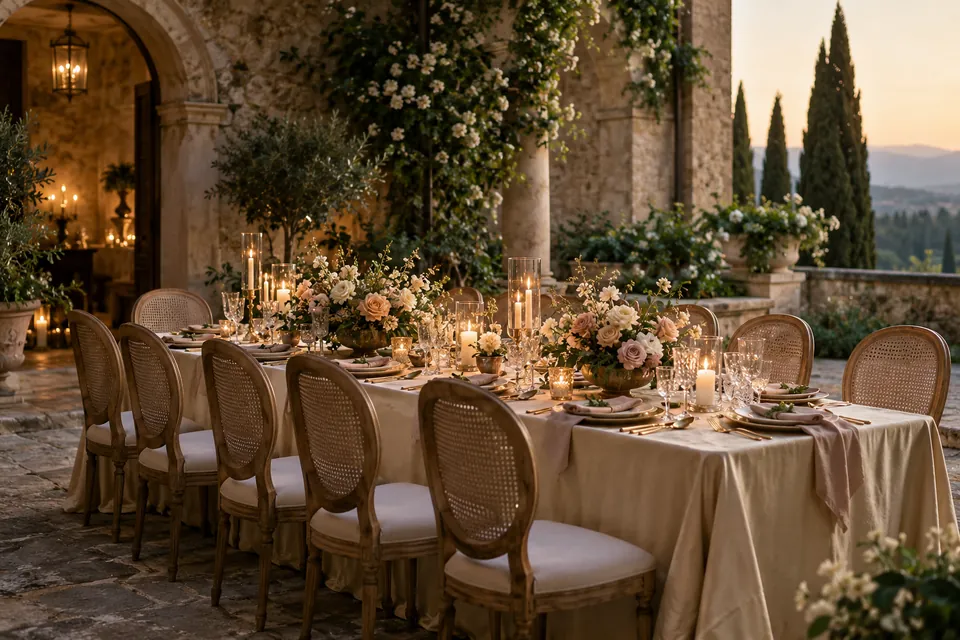
A ceremony within a shared dinner For an intimate celebration, guests may gather for vows before taking their places at dinner. This works best when the ceremony has a defined beginning rather than happening while staff are serving drinks. Clear the service route, pause background music, and give everyone a place to stand or sit comfortably.
Plan the change from vows to dinner with the catering team. Staff need to know whether chairs move, glassware appears, or the couple leaves briefly for portraits. Explore our intimate reception ideas for a dinner layout that does not require an awkward room reset.
A quiet ceremony followed by a larger celebration Some couples prefer exchanging vows with a small group and inviting more people to the reception. Make that distinction clear on invitations so no one assumes they missed an event they were expected to attend. Consider sharing a short reading or a welcoming toast at the reception without recreating the whole ceremony.
Write vows that can be spoken naturally Use three parts: what you value in your partner, what you have learned together, and what you promise. Keep the promises specific enough to mean something in ordinary life. “I will make room for difficult conversations” says more than a list of perfect-sounding qualities you could never sustain.
An original starting example: “You have taught me that being understood begins with listening. I promise to ask before assuming, to protect our small moments, and to stand beside you when the next chapter asks more of us.” Adapt the meaning and vocabulary until it sounds like something you would actually say.
Agree on approximate length and whether humor belongs in both sets of vows. Practice aloud without performing to a mirror. Printed vow cards are easier to follow than a phone with notifications, but choose the format that suits you. Keep a spare copy with the officiant and leave out private details your partner would not want shared.
Choose readings for meaning and permission A reading can honor a shared interest, family language, or belief. Select a passage you understand rather than something famous simply because it is often used at weddings. Check permission requirements before reproducing copyrighted material in programs. Public availability on a quotation website does not automatically make a text free to print.
Invite the reader well in advance and supply the exact text. Ask whether they are comfortable with the role, offer a pronunciation guide for unfamiliar names, and rehearse microphone use. A shorter reading delivered clearly can hold attention better than a long passage selected to impress.
Rituals with a reason to exist | Idea | Meaning it can express | Practical check | | Shared letter box | Promises to revisit later | Decide when it will be reopened | | Family blessing | Support across generations | Ask participants about comfort and beliefs | | Planting together | Shared care over time | Confirm venue permission and transport | | Ring presentation | A loved one's part in the ceremony | Keep the rings secure before the cue |
Rituals should reflect your own traditions or be used with informed, respectful participation. Avoid borrowing sacred practices as decoration. Ask someone knowledgeable when a cultural element matters to you, and accept that some traditions may not be appropriate to adapt casually.
Music is part of the ceremony's structure Choose music for arrival, the entrance, a quiet interlude if needed, and the exit. Give the musician or sound operator specific versions, start points, and cues. Streaming availability is not a substitute for a tested playback arrangement, and venue licensing or restrictions should be checked with the responsible team.
Make the experience comfortable Check shade, seating, restrooms, sound, and the distance from drop-off. Reserve suitable seats discreetly for people who need them, without labeling personal conditions. Explain any standing portions beforehand. Children and guests who may need a break should have an easy route out that does not interrupt the ceremony.
For an outdoor setting, identify the weather decision owner and deadline. Send any location change through one agreed channel. The wedding planning checklist can help place these confirmations in your final-week handover. Romantic atmosphere depends partly on guests being able to relax.